
Washington County Clerk of Superior Court
Washington County's court-record office is the Clerk of Superior Court. The county page identifies Brian Phelps as Clerk of Court and lists assistant clerks Jean Warren, Brenda Sawyer, and Aimee Daniel. It also lists magistrates Alan Smith and Maurice Perry, and deputy staff Micki Dail, Wendy White, and Mirna Jimenez. North Carolina has 100 Clerks of Court, one elected from each county, and the clerk's term is four years.
The clerk is a judicial official and record keeper for both District Court and Superior Court. The office maintains court records, accepts filings, handles cashier functions, issues certified copies, supports public terminal access, and performs probate duties. The county furnishes office space and furniture, while the Administrative Office of the Courts in Raleigh provides statewide guidance.
Washington County Clerk of Superior Court
Clerk: Brian Phelps
First floor, Washington County Courthouse
120 Adams Street
PO Box 901
Plymouth, NC 27962
(252) 791-4000
Fax: (252) 791-4001
Email: brian.k.phelps@nccourts.org
Monday-Friday, 8:30 AM-5:00 PM
Washington County Clerk Record Duties
The Clerk of Superior Court handles the court side of Washington County public records. That includes criminal files, civil files, family and domestic matters, divorce judgments, estates, special proceedings, judgments, liens tied to court proceedings, and certified court copies. The clerk's first-floor office is also the local place to ask about paper files when the eCourts Portal does not show the document or when a certified copy is required.
The office should not be confused with the Register of Deeds. Washington County Register of Deeds Timothy J. Esolen handles land records, maps, powers of attorney, birth certificates, death certificates, marriage certificates, and marriage licenses. The Clerk of Superior Court handles the court file after a civil, criminal, family, estate, special proceeding, or divorce matter is filed in the General Court of Justice. That split is one of the most common causes of wrong-office requests.
- Maintain official District Court and Superior Court records.
- Provide public terminal access for criminal, civil, special proceeding, and estate searches.
- Issue plain copies, certified copies, seals, and exemplifications when available.
- Receive filings and payments that are due to the Clerk of Superior Court.
- Serve as probate judge for estate administration and many special proceedings.
- Route users away from court records when the file belongs to the Register of Deeds, law enforcement, or another agency.
The North Carolina public-records definition supports the local office and its recordkeeping role.
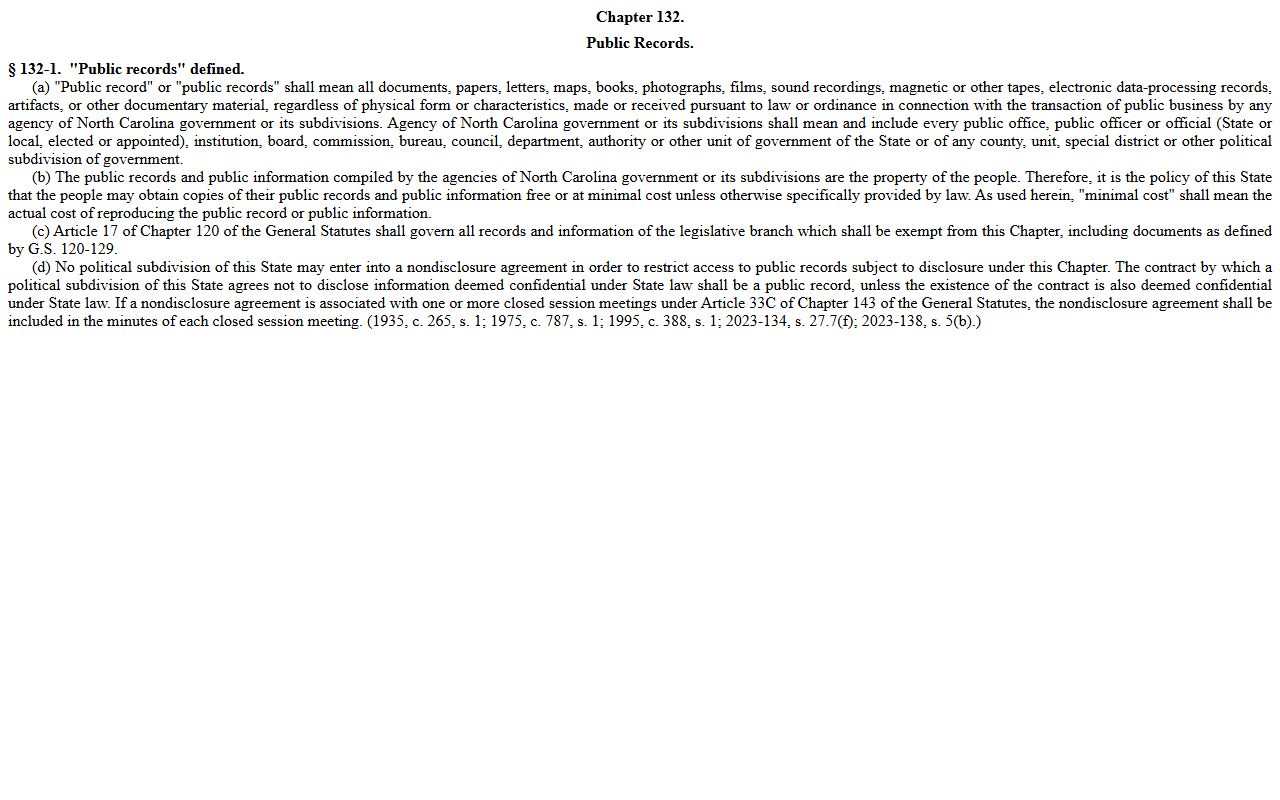
The public-records image supports the clerk's role as a custodian of court files that are open unless a law or order restricts them.
Request Certified Washington County Copies
A certified copy is an official copy issued by the clerk with a certificate or seal. It may be needed for appeals, name changes, benefits, real estate issues, background-file corrections, or another agency's proof requirement. A printed portal result is not the same as a certified copy. If the receiving office requires a seal, request the copy from the Clerk of Superior Court and state that certification is needed.
- Identify the case number if possible. If no case number is known, gather names, case type, and approximate filing or judgment date.
- Search the NC eCourts Portal or ask the clerk's office to confirm that the file is a Washington County court record.
- Contact or visit the Clerk of Superior Court and describe the exact document needed, such as judgment, order, disposition, estate letter, or divorce judgment.
- Ask whether the copy needs a seal, exemplification, or only a plain copy.
- Pay the applicable copy, seal, search, or mailing fee using an accepted payment method.
- Review the copy when received and keep the receipt in case the receiving agency asks how it was issued.
Washington County Clerk Search Fields
The NC eCourts Portal is the main online channel for case information, hearings, payments, and judgments. Public terminals in clerk offices can also be used for criminal, civil, special proceeding, and estate searches. Criminal searches at public terminals may use defendant name, case number, or victim/witness name. Paper files are viewed at the clerk's office in the county where the case is located.
| Field | Required | Notes |
|---|---|---|
| Record Number or Name | Yes for basic Smart Search | Use record number or Last, First Middle Suffix format. |
| Last Name / First Name | Required for component name search | Wildcard rules may require three last-name characters and one first-name character. |
| Middle Name / Suffix | Optional | Helpful for common names. |
| Filter by Location | Optional but important | Select Washington County instead of All Locations. |
| Search by | Optional | Party Name, Nickname, Business Name, or Sounds Like. |
| Date of Birth From / To | Optional | Access to DOB filters may depend on user level. |
| Case Type / Case Status | Optional | Use to narrow court, estate, special proceeding, or civil records. |
| File Date Start / End | Optional | Useful for older or high-volume name searches. |
Washington County Clerk Fees
Clerk fees are set through statewide court-cost schedules and local payment instructions. The Washington County payment page states that mail payments should be by money order or certified check, payable to Washington County Clerk of Superior Court, with no cash and no personal checks by mail. In-person payments may be cash, credit or debit card with processing fees, money order, or certified check, but no personal checks. Online payments use eligible eCourts payment screens.
| Item | Amount or Rule | Notes |
|---|---|---|
| Court copy preparation | $2.00 first page, $0.25 each additional page | Statewide miscellaneous clerk fee. |
| Certificate under seal | $3.00 | Added when a certified seal is needed. |
| Exemplification | $10.00 | Higher authentication when required. |
| Criminal record search | $25.00 | Statewide clerk search fee. |
| Mail payments | Money order or certified check only | No cash or personal checks. |
| Online or card payments | Processing fees may apply | Check the payment screen before relying on card type. |
The copy-fee statute is a source for the rule that public-record copy charges must follow statutory fee limits.
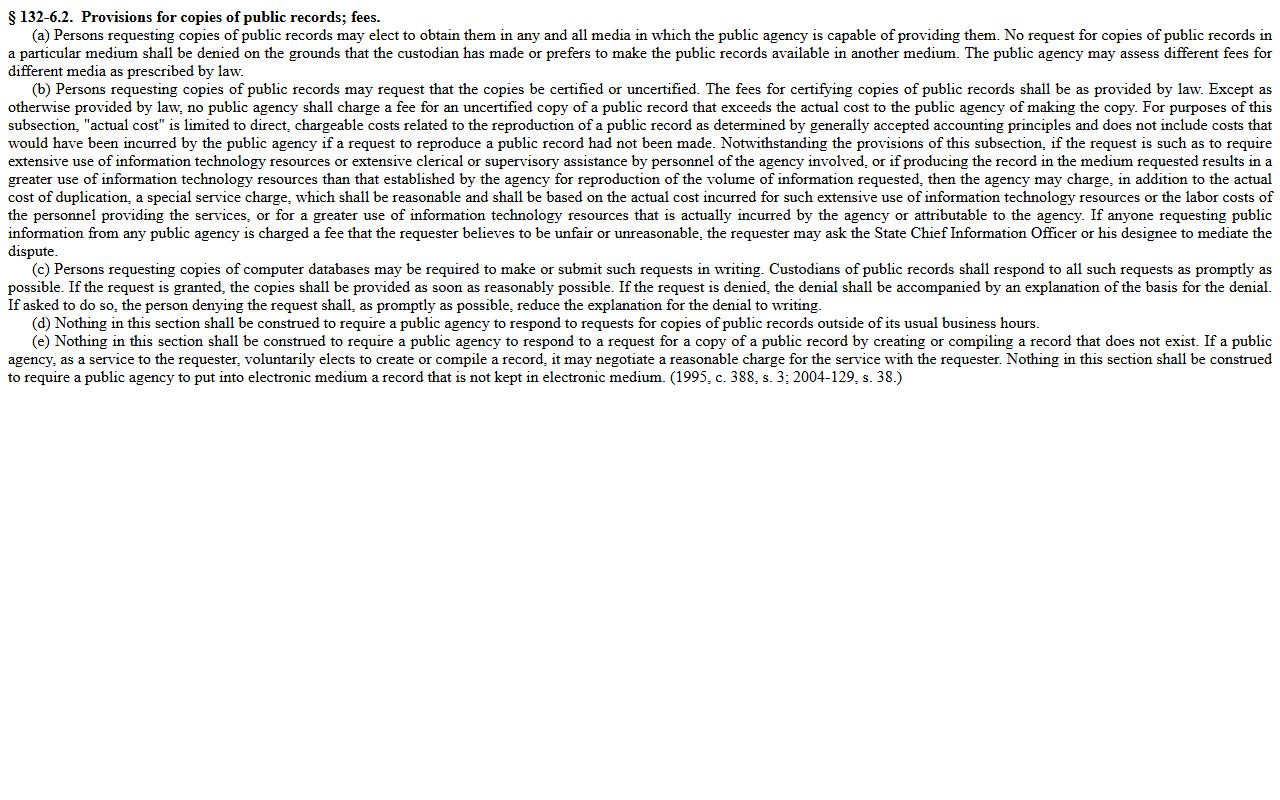
The fee image helps connect local copy requests with the statewide limits that apply to public-record copying.
Washington County Clerk Channels
The clerk has several request channels, and each serves a different need. Use the Portal for current case information, hearing searches, payments, and judgment searches. Use the clerk's office for certified copies, older paper files, probate and estate records, paper file review, and cases that do not show enough detail online. Use the Judicial Branch public-record request page for administrative Judicial Branch records, not ordinary case files. Use the Register of Deeds for deeds, maps, birth certificates, death certificates, marriage certificates, and marriage licenses.
In-person clerk access is especially useful when the case number is unknown, when a public terminal search needs county staff direction, or when a party needs to inspect a paper file. Mail is more useful when the requester already knows the document, case number, copy type, and payment method. Phone and email can help confirm the correct channel before a trip, but official copies still come through the clerk's process. The courthouse address should be used for visits, while the PO Box should be used for clerk mail.
Note: Divorce judgments are clerk records, but marriage licenses and marriage certificates are Register of Deeds records, including older Washington County certificate searches and copy requests.
Washington County eCourts Access
Online access runs through the statewide NC eCourts Portal, not a separate Washington County-only database. The Portal provides Smart Search, Search Hearings, Make Payments, and NC Judgment Search. It requires JavaScript and cookies and may use a CAPTCHA challenge. The portal also supports File & Serve for eFiling and Guide & File for some guided document preparation. Still, the clerk remains the county contact when a record is older, incomplete, restricted, or needed as a certified copy.
Portal results can show case summaries, party information, events, hearings, financial information, and some documents when public and available. Public terminals can reach clerk-office search functions for criminal, civil, special proceeding, and estate records. Search fields may include a defendant name, case number, victim or witness name at terminals, party names, case type, case status, location, and filing dates. If the public view shows a sealed, expunged, juvenile, or confidential matter, the clerk may be unable to disclose more without a court order or statutory authority.
The public inspection statute is a source for the clerk's duty to keep court records available for inspection unless another law says otherwise.
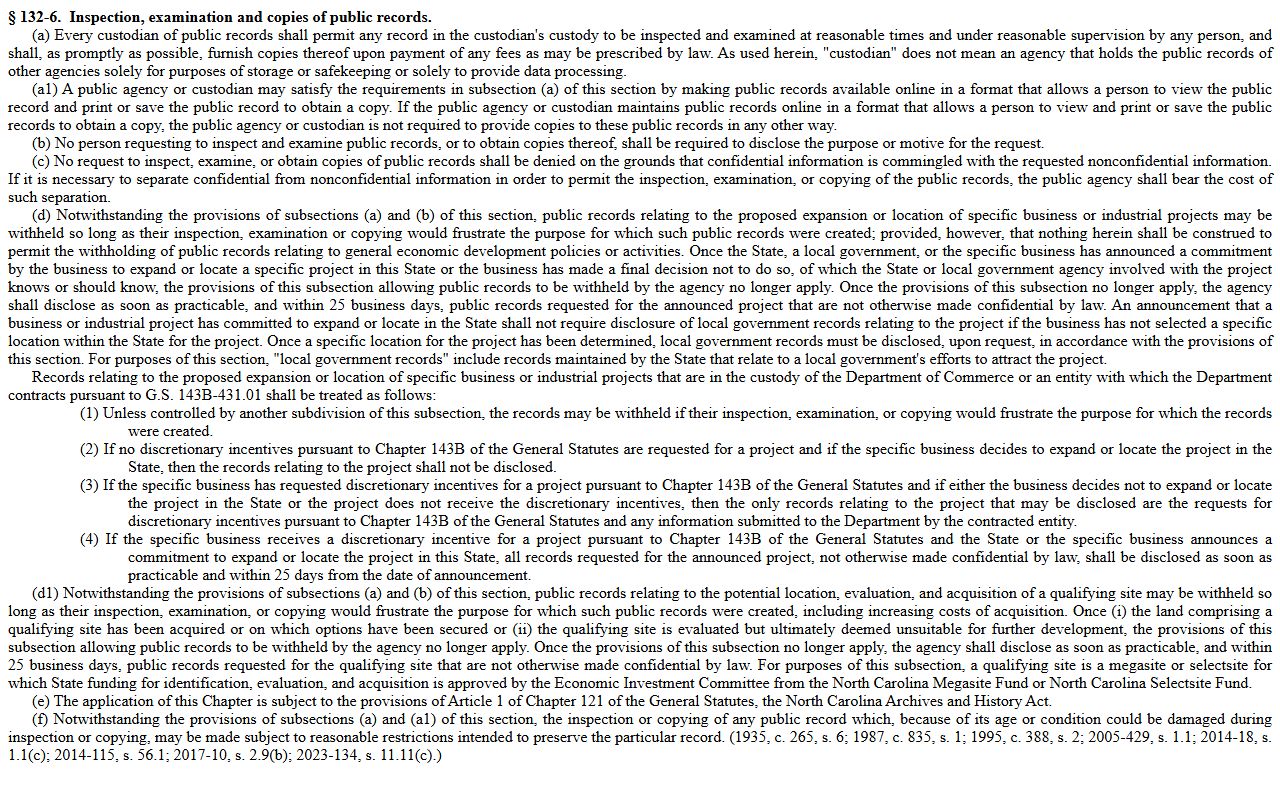
The public inspection image supports the practical rule that online search is helpful, but clerk-office access remains part of the records system.